

 See My Latest Article on HelloNation

What Is the Typical Starting Age for Dance Classes?
Most children in Quincy, IL begin dance classes between the ages of 3 and 5. At this age, many kids are ready to follow simple instructions, participate in group activities, and enjoy dancing with their peers. Many local studios and community programs offer creative movement or pre-dance classes specifically designed for preschoolers. These classes are shorter in length, include lots of music and movement play, and focus on building fundamental skills such as coordination, rhythm, listening, and social interaction rather than formal technique.
Are There Benefits to Starting Dance Earlier Than Age 3?
There is no significant advantage for most children to join structured dance classes before age 3. Toddlers and infants benefit more from general opportunities to move, listen to music, and explore at their own pace—in the living room, at local parks, or during family activities. Very young children may struggle with the structure and group format of a formal class. Instead, at-home movement play or parent-child music groups can be more enjoyable and developmentally appropriate before the preschool years.
How Do Quincy, IL Parents Know Their Child Is Ready?
A child is typically ready for dance classes when they can:
- Follow basic instructions from an adult who is not a family member
- Participate in a group setting with brief periods of focus
- Separate from a parent or caregiver for 30–45 minutes without distress
- Enjoy moving to music and showing interest in imitating simple movements
Local families often consider enrolling children when they start preschool or other group activities. If a child is hesitant to separate or does not enjoy group music play, it may be best to wait a few months and try again.
Is There Such a Thing as Starting Too Late?
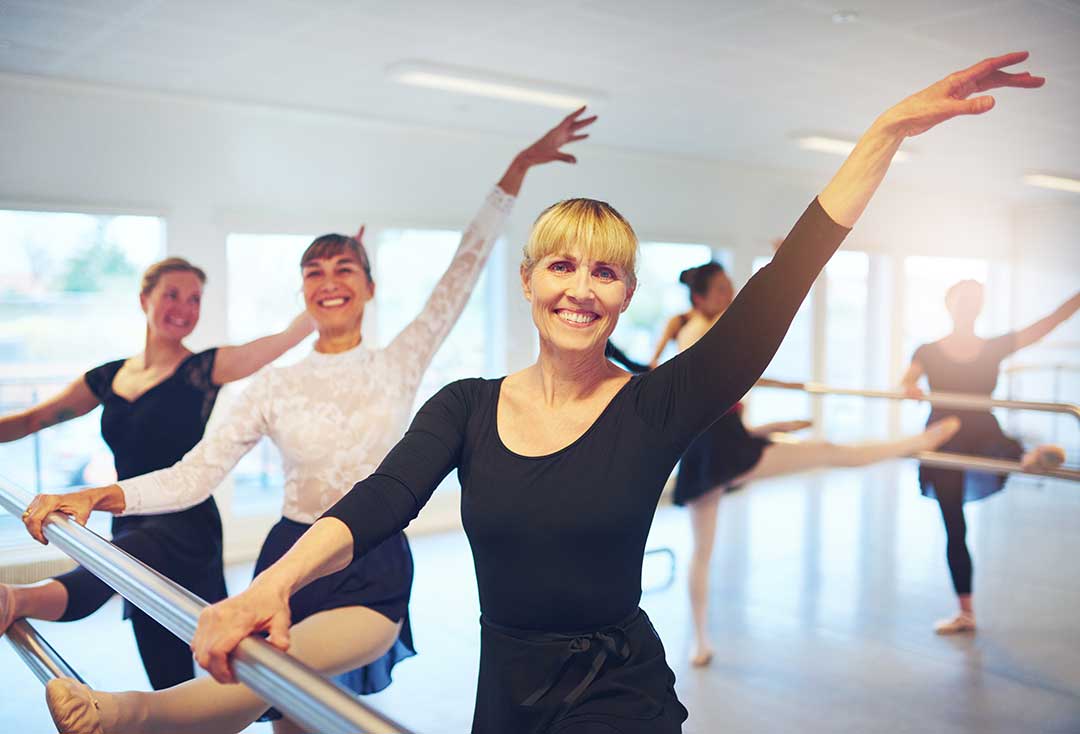
It is rarely "too late" to begin dance classes, even for school-age children and teens. While young children develop coordination and musicality through early exposure, older beginners can still enjoy dance and make strong progress with consistent practice. Some students in Quincy start formal classes in elementary or even middle school and participate happily in the community’s recreational dance activities. Starting later may limit the timeline for those interested in pursuing competitive or pre-professional training, but recreational dance remains accessible and beneficial for all ages.
What Kinds of Dance Are Available for Young Children in Quincy, IL?
For children under age 6, most programs focus on:
- Creative Movement: Emphasizes expressive play, musical games, and simple choreography.
- Pre-Ballet: Introduces basic ballet positions and routines using imagery and stories.
- Tap and Jazz Foundations: Focuses on rhythm, balance, and fun movement patterns.
- Parent-and-Me Classes: Offers structured activities with a caregiver for younger toddlers.
Each program’s structure varies, but all aim to foster positive attitudes toward movement, teamwork, and self-confidence.
What Should Families Consider About Local Schedules and Seasons?
Quincy residents sometimes wonder about class schedules and seasonal routines. Many dance classes follow the school-year calendar, beginning in late summer or early fall and continuing through spring. Summer months often feature shorter camps or special sessions. Since Quincy experiences cold winters, indoor physical activities like dance provide young children an important opportunity for movement when outdoor play is limited by weather. For families with demanding schedules, it’s helpful to look for shorter classes or sessions that do not require a season-long commitment, especially for younger children.
What Are Common Misconceptions About Dance Class Age?
Several local myths can influence decisions:
- Myth: Children must begin at age 3 or younger to be successful dancers.
*Fact: Many students thrive starting later, and enjoyment is more important than early specialization.*
- Myth: Boys should wait until older to try dance.
*Fact: Dance is beneficial for all children, regardless of gender, from a young age.*
Some families also worry about a lack of coordination or shyness in their child. In reality, dance can help develop these skills, and most beginner classes are welcoming to a range of personalities and abilities.
What If a Child Isn’t Interested Yet?
It’s common for children to need time to warm up to group activities or structured classes. In the Quincy area, some families introduce dance through community events, school programs, or informal play before committing to regular classes. Many caregivers find that letting a young child attend a trial class without pressure is the best way to gauge true interest. Offering options to try other activities—like music groups or gymnastics—can also help reveal a child’s preferences.