

 See My Latest Article on HelloNation
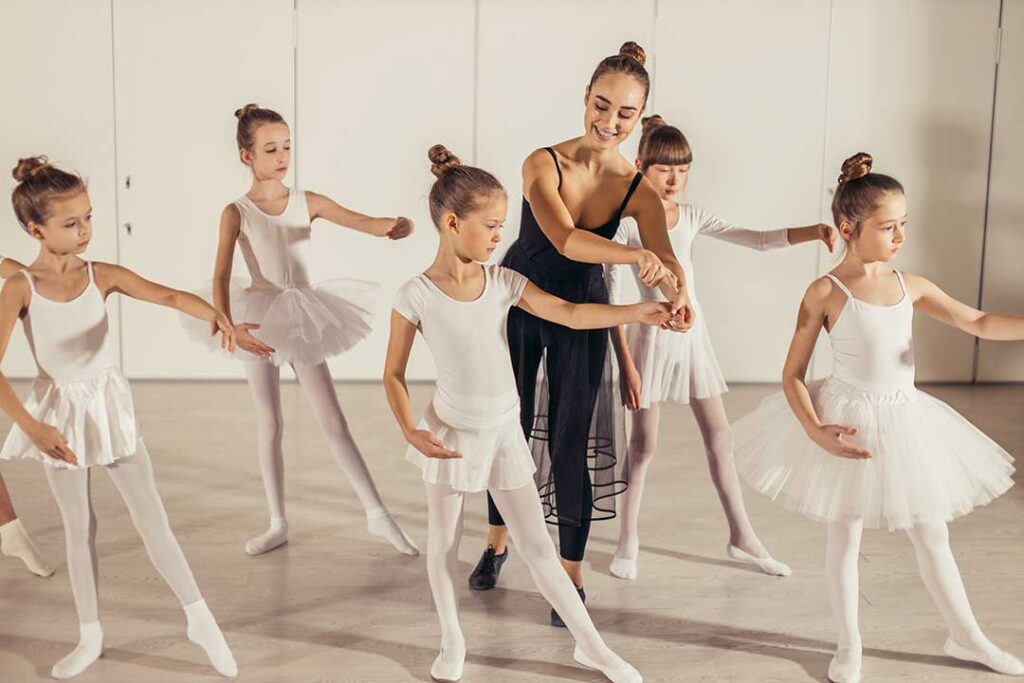
Stage fright is common among dancers of every age and experience level. A performer may know the choreography well and still feel shaky, distracted, or worried before stepping into the light. These reactions are not a sign of poor preparation. They are the body’s normal response to being watched, evaluated, and asked to perform under pressure.
For dancers in Quincy, IL, stage fright may appear before a studio recital, school performance, competition, community event, or informal showcase. The goal is not to eliminate nervousness completely. A more realistic goal is to reduce its intensity and learn how to perform effectively while some nerves are still present.
Why does stage fright happen in dance?
Stage fright usually comes from a combination of physical stress, mental pressure, and uncertainty. The brain may interpret an audience, bright lighting, or an unfamiliar performance space as a situation requiring extra alertness.
Common symptoms include:
- Fast breathing or heartbeat
- Tight shoulders, stiff legs, or tense hands
- Forgetting choreography that usually feels automatic
- Dry mouth or a shaky voice
- Feeling watched by every person in the audience
- Worrying about mistakes before the music begins
- Wanting to avoid the performance altogether
These feelings can become stronger when a dancer places unrealistic demands on the performance. Thoughts such as “I cannot make one mistake” or “Everyone will notice if I am nervous” increase pressure. In reality, audiences often see the overall performance rather than every small error.
How can dancers prepare mentally before performing?
Mental preparation works best when it is specific and practiced in advance. Telling yourself to “just relax” is usually too vague to be useful. A short routine gives the mind something familiar to follow.
Try a preparation sequence such as:
1. Take several slow breaths, making the exhale slightly longer than the inhale.
2. Notice three things you can see, two things you can hear, and one physical sensation.
3. Review the opening movement rather than replaying the entire routine.
4. Use a practical statement such as, “I know the first eight counts.”
5. Focus on communicating the style or feeling of the dance instead of monitoring every body part.
The opening moments deserve special attention because once a dancer gets through the first phrase, confidence often increases. A simple mental cue—such as “strong beginning” or “follow the music”—can be easier to remember than a long motivational speech.
What should dancers do during rehearsals?
Rehearsal should include more than repeating choreography in a familiar room. Stage fright often grows when the performance environment feels unpredictable. Practicing small changes can help the dancer adapt.
Useful rehearsal variations include:
- Performing while one or two people watch
- Practicing without stopping after a mistake
- Entering from a different location
- Rehearsing under brighter or dimmer lighting when possible
- Marking where the audience, wings, curtains, or backstage areas will be
- Performing in costume or shoes before the event
- Practicing the first and last sections several extra times
Dancers should also rehearse recovery. If a step is missed, the dancer can continue with the next musical phrase, follow the group, or return to a known position. Stopping to restart during every rehearsal may make mistakes feel more alarming than they really are.
A useful rule is to practice finishing. The performance is not ruined by one missed step if the dancer remains present and continues.
How can breathing and body position reduce nervousness?
Breathing is one of the fastest ways to influence physical tension. Nervous dancers often hold their breath, lift their shoulders, or brace their abdominal muscles too tightly. That tension can make movement feel less natural.
Before entering, try breathing in gently for a count of four and out for a count of six. Repeat this several times without forcing the breath. The longer exhale can encourage the body to shift away from a highly alert state.
A physical reset may also help:
- Relax the jaw.
- Drop the shoulders away from the ears.
- Keep the knees soft.
- Feel both feet on the floor.
- Shake out the hands and arms.
- Avoid stretching aggressively when the body is cold.
The purpose is not to become completely loose or sleepy. Dancers need energy and focus. The aim is to replace rigid tension with controlled readiness.
What if the choreography is forgotten onstage?
A brief memory lapse does not have to become a full performance failure. Panic tends to make recall harder, so the first step is to keep moving in a safe, simple way.
If a dancer loses the sequence, possible recovery choices include:
- Follow the rhythm until the next familiar section.
- Watch the dancer or group formation without staring.
- Use a repeated step that fits the music.
- Return to the last known position.
- Rejoin the choreography at a transition or strong musical cue.
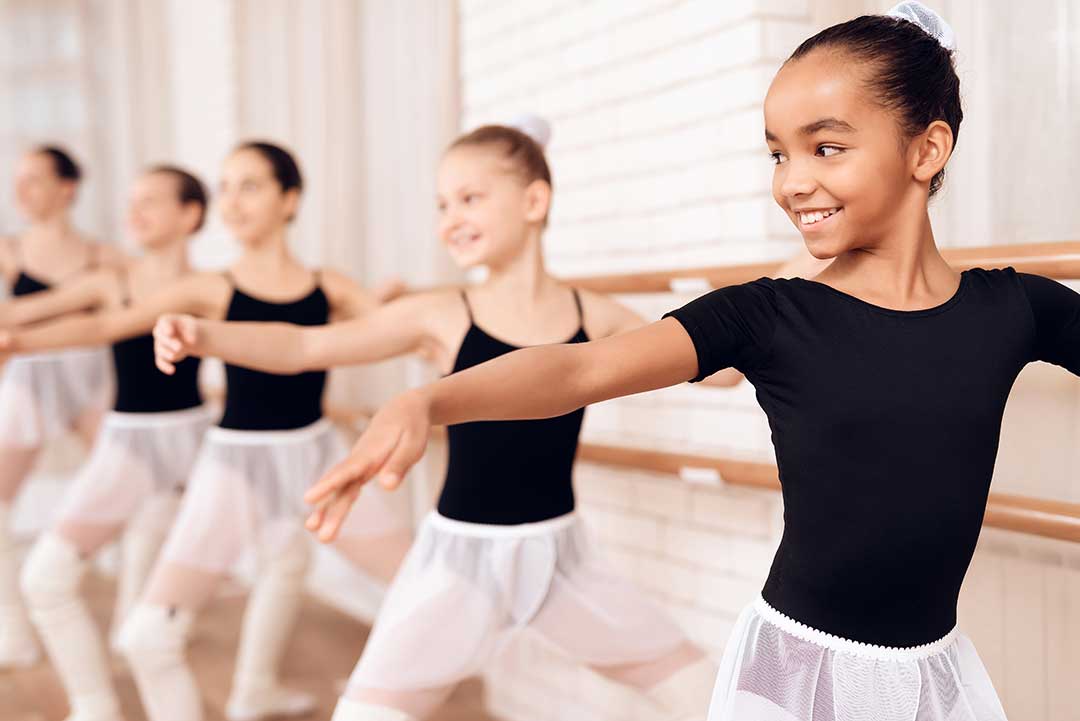
For group dances, spacing and awareness matter as much as perfect recall. A dancer who keeps moving, maintains safe distance, and returns to the pattern may be less noticeable than someone who freezes.
It also helps to identify “landmarks” in the music during rehearsal. A change in lyrics, percussion, melody, or tempo can provide a reliable point for reentry.
How should dancers handle mistakes in front of an audience?
The best response to a mistake is usually to acknowledge it privately and continue publicly. A visible reaction—stopping, looking alarmed, apologizing, or checking the audience—often draws more attention than the mistake itself.
Dancers can use neutral recovery habits:
- Keep the face connected to the performance.
- Maintain the rhythm whenever possible.
- Avoid shaking the head or making an apologetic gesture.
- Rejoin the movement at the next reasonable point.
- Treat the mistake as a temporary change, not a complete failure.
Afterward, review what happened without harsh self-criticism. Ask what caused the problem and what practical adjustment might help next time. For example, the issue may have been a difficult entrance, unfamiliar flooring, a costume distraction, or rushing the opening counts.
How do surroundings in Quincy affect performance preparation?
Performance conditions can vary with the season and venue. In Quincy, dancers may prepare for events during cold weather, humid summer conditions, or busy seasonal schedules that affect sleep and energy. Travel between home, school, rehearsals, and performance spaces can also leave dancers rushed before they go onstage.
A few practical habits help:
- Arrive early enough to locate the performance area and changing space.
- Bring layers so the body stays warm while waiting.
- Drink water steadily rather than consuming a large amount immediately before dancing.
- Eat a familiar, light meal or snack if the schedule allows.
- Keep costumes, shoes, hair supplies, and any required accessories together.
- Limit last-minute conversations that increase worry.
- Protect sleep before performances, especially during weeks with several activities.
Familiarity reduces uncertainty. Knowing where to wait, how the stage is entered, and what the floor feels like can make the event feel more manageable.
When should a dancer ask for additional support?
Occasional nerves are normal, but intense fear deserves attention when it repeatedly causes avoidance, panic, physical illness, or distress long after the performance ends. A dancer can speak with a trusted instructor, parent, guardian, school counselor, or health professional about strategies that fit the situation.
Support should focus on building skills rather than pressuring the dancer to “get over it.” Gradual exposure, realistic goals, breathing practice, and supportive feedback can help. Younger dancers may benefit from shorter performance goals, such as concentrating on the opening phrase or maintaining a steady smile, rather than judging the entire routine.
Stage confidence develops through repeated experiences of preparing, performing, recovering, and recognizing that nervousness can be managed. A dancer does not need to feel fearless to perform with control, expression, and presence.