

 See My Latest Article on HelloNation
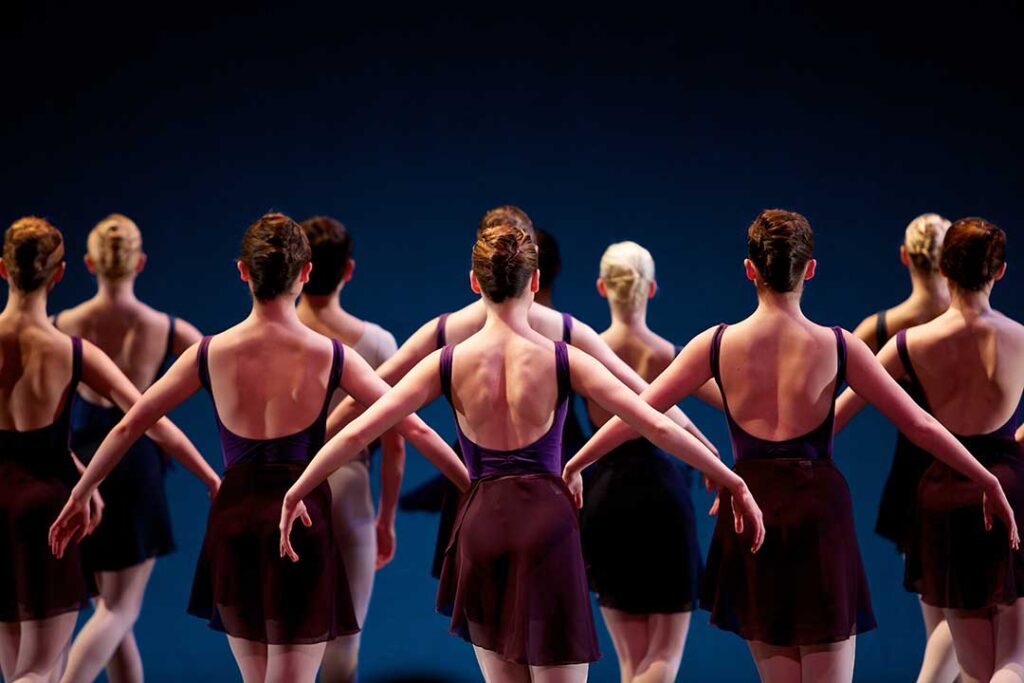
How Does Dancing Benefit Physical Health?
Dancing is a dynamic physical activity that improves overall fitness and mobility. For adults in Quincy, IL, where winters can be long and outdoor exercise options are sometimes limited, dance offers a reliable way to stay active year-round.
Participating in dance enhances cardiovascular fitness. Continuous movement to music can elevate heart rate, supporting better circulation and heart health. Over time, adults may notice:
- Increased stamina and energy levels
- Improved muscle tone and strength, particularly in the legs, core, and back
- Greater flexibility from stretching and varied movements
Dance can also support weight management when done regularly. Unlike some repetitive workouts, dance keeps routines interesting, making it easier for local residents to stick with an active lifestyle, especially during colder months.
Can Dance Help With Stress and Mental Well-Being?
Dance contributes positively to mental health by providing both a physical outlet and a social experience. Many adults in the community turn to dance not just for fitness, but as a break from daily stressors.
The combination of music, movement, and learning choreography helps shift focus away from daily worries. This process can:
- Lower perceived stress levels
- Boost mood through the release of endorphins ("feel-good" hormones)
- Reduce symptoms of anxiety and mild depression
Regular participation in dance classes also encourages mindfulness. Concentrating on steps and rhythms can draw attention to the present moment, much like meditation or yoga.
What Social Opportunities Does Dance Create for Adults?
Dance is inherently social and helps local adults build new friendships or strengthen existing bonds. Classes and events provide a welcoming space to meet others outside of work or usual routines.
Adults sometimes hesitate to try new activities alone, but group dance settings often foster encouragement and teamwork. Residents can expect:
- Opportunities for teamwork and cooperative learning during paired or group dances
- Supportive environments that welcome beginners and experienced dancers alike
- Chances to join local events or performances, fostering a sense of belonging
For those who may feel isolated—especially during less active seasons—dance can serve as a consistent, enjoyable way to connect with others in the city.
Is Dancing Appropriate for Adults With No Previous Experience?
Many adults worry about trying dance for the first time, afraid they'll feel out of place or unable to keep up. Most local studios design classes with beginners in mind, ensuring entry points for all ability levels and ages.
Adaptable teaching styles and a focus on fundamental movement patterns help ensure:
- Classes often include warm-ups and gradual progressions suitable for adults of varying fitness backgrounds
- Instructors typically tailor feedback, so newcomers are not overwhelmed
- Dance styles can be adapted for mobility concerns, and gentle forms such as ballroom, folk, or line dancing are popular among older adults
The local climate sometimes restricts outdoor activities. Dance provides a flexible option for indoor exercise throughout the year, making it accessible regardless of previous athletic experience.
Does Dancing Support Brain Health for Adults?
Learning and remembering dance routines engages the brain in ways that differ from other types of exercise. Choreography requires adults to memorize sequences, react to music, and adapt movements in real-time.
These mental demands contribute to:
- Improved memory and recall, as participants regularly practice new steps
- Enhanced coordination, which can help prevent falls by refining balance
- Better focus as dancers pay close attention to rhythm and pattern changes
Continually challenging the brain with novel activities is linked to cognitive longevity, making dance a beneficial activity for adults who wish to keep their minds sharp as they age.
What Are Safe Ways for Adults to Dance If They Have Health Concerns?
Adults with chronic conditions or mobility limitations can often enjoy safe, modified dance routines. It is generally safe to participate, but local residents should listen to their bodies and, if needed, consult a healthcare provider before starting a new exercise program.
Practical considerations include:
- Choosing slower-paced dance styles or classes clearly labeled as "gentle" or "low-impact"
- Using supportive footwear and appropriate flooring to minimize strain on joints
- Starting with short sessions and gradually increasing duration or intensity
Many adults with arthritis or mild balance issues find that regular dance helps ease stiffness and improve joint mobility over time.
How Does Dance Fit Into Everyday Life in the Quincy Area?
Quincy households often look for affordable, flexible fitness routines that don’t require expensive equipment or large spaces. Dancing at home, in community centers, or at local events can be a practical answer.
Practical examples of fitting dance into local life include:
- Joining seasonal dance events held at indoor venues during winter months
- Participating in classes at recreation centers with friends or family
- Clearing some space at home to follow online dance lessons or dance to favorite music
Dance is easy to adapt around individual schedules, making it a lifestyle-friendly option for busy adults.
Are There Misconceptions About Dance as Exercise for Adults?
A common misconception is that dance is only for children or highly skilled performers. In reality, adults of any age or background can benefit, regardless of previous experience. Dance is more than performance—it’s a holistic activity supporting physical, mental, and social health.
Another misconception is that dance is too taxing for older adults or those with mobility issues. In fact, many classes are tailored to meet varying needs, offering chair-based or low-impact alternatives that deliver the same wide-ranging benefits.