

 See My Latest Article on HelloNation
What Are the Main Types of Dance Local Residents Encounter?
Dance comes in many styles, each with distinctive movements, music, and traditions. In Quincy, IL, residents can find both recreational and competitive options from social dances to performance-focused genres. Knowing the features of each style helps families and individuals choose what interests them most without feeling overwhelmed.
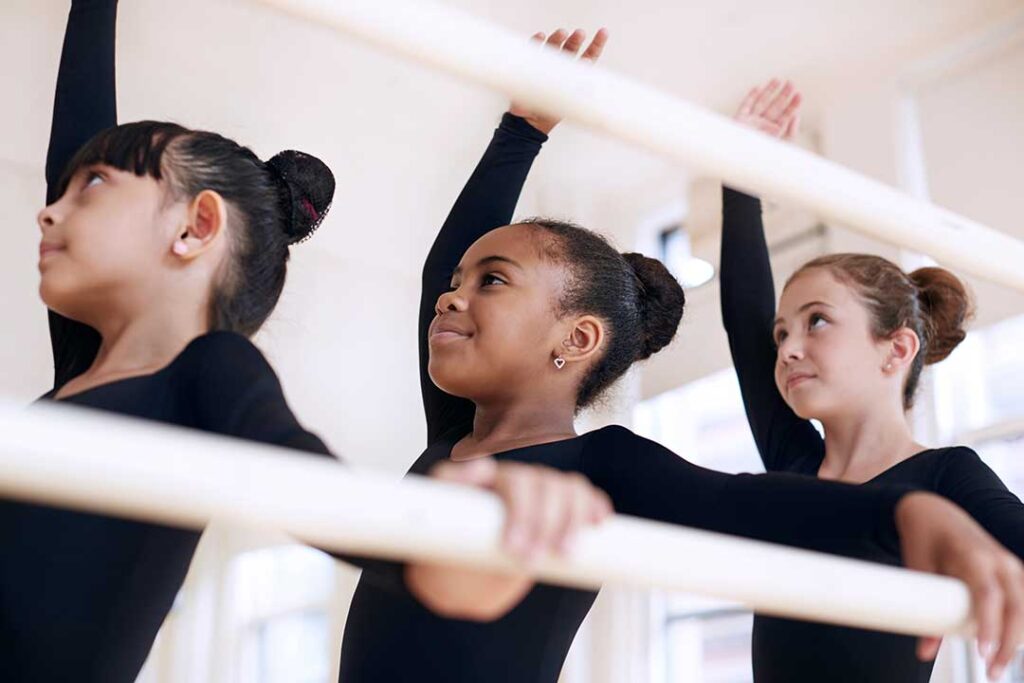
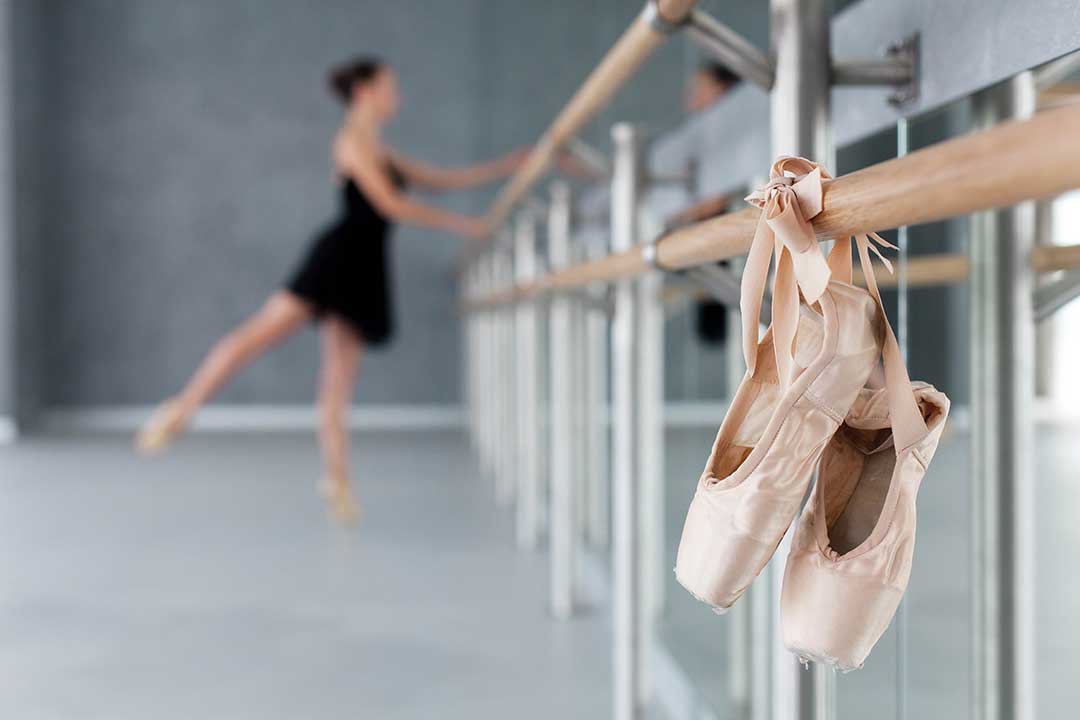
Ballet: What Makes Ballet Unique?
Ballet is a classical dance style known for its grace, formality, and precise technique.
- Originates from European court dances
- Emphasizes balance, posture, and smooth, flowing movements
- Often involves performances with stories told through dance
Misconception: Ballet is not limited to young children; adult beginner classes are common and welcoming.
Jazz: Why Is Jazz Dance So Energetic?
Jazz dance is an expressive, lively style set to upbeat music, drawing on African American traditions and evolving through the decades.
- Moves include jumps, turns, fast footwork, and dramatic poses
- Music can range from classic jazz to modern pop
Local notes: Jazz is popular among Quincy students for its dynamic routines often featured in school and community performances.
Tap: How Does Tap Make Sound Part of the Dance?
Tap dance incorporates metallic taps on shoe soles and heels, creating rhythmic sounds as dancers move.
- Focuses on intricate footwork and syncopated rhythms
- Encourages musicality, listening, and improvisation skills
Area households often enjoy seeing young tap dancers at recitals where the sound adds excitement to the performance.
Hip-Hop: What Sets Hip-Hop Apart?
Hip-hop dance is rooted in street styles and urban culture. It’s recognized for its energy, creativity, and connection to current music.
- Movement is often grounded, powerful, and bold
- Choreography may include popping, locking, breaking, and freestyle elements
Local misconception: Hip-hop isn’t just for youth or clubs. It’s widely enjoyed by all ages in community classes and events.
Lyrical and Contemporary: What’s the Difference?
Both lyrical and contemporary dance merge ballet and jazz elements, focusing on emotional expression, but differ in style.
- Lyrical dance interprets song lyrics through movement, aiming for storytelling
- Contemporary dance blends several genres, using unusual shapes, floor work, and improvisation
In Quincy, these styles are often featured in recitals, with dancers expressing personal or social themes.
Ballroom and Social Dance: Are These Only for Special Occasions?
Ballroom styles (like waltz, tango, foxtrot) and other social dances (such as swing, salsa, or line dance) focus on partner work and social interaction.
- Emphasize timing, cooperation, and etiquette
- Accessible to a wide age range, from youth to seniors
Though some associate ballroom only with formal events, in town these dances are often learned for enjoyment at community gatherings or weddings.
Musical Theater Dance: How Is It Different From Other Styles?
Musical theater dance blends acting, storytelling, and varied dance techniques to bring stage productions to life.
- Choreography often matches stage roles or story lines in musicals
- Dancers learn to combine singing, acting, and movement
Local context: Students interested in school plays or civic theater often benefit from exposure to this style.
Why Are Cultural and Folk Dances Important Locally?
Cultural and folk dances celebrate heritage and tradition.
- Reflect specific histories or communities, such as Irish dance, square dance, or polka
- Often taught in local schools or as part of public celebrations
These styles provide opportunities to connect younger generations with local and family heritage.
How Do Weather and Local Lifestyles Affect Dance Choices?
Seasonal changes and the city's layout shape dance preferences. Indoor styles (like tap, ballet, and hip-hop) are popular during colder months, while outdoor gatherings sometimes include line dancing or folk styles in warmer weather. Many households find year-round options for both recreation and fitness.
Can You Switch Between Styles or Start as a Beginner?
Most local beginners start in one style—either for fun, fitness, or social reasons—but switching or trying additional styles is common. Each form of dance nurtures coordination and confidence. Residents often try new genres through workshops, introductory classes, or community events.