

 See My Latest Article on HelloNation
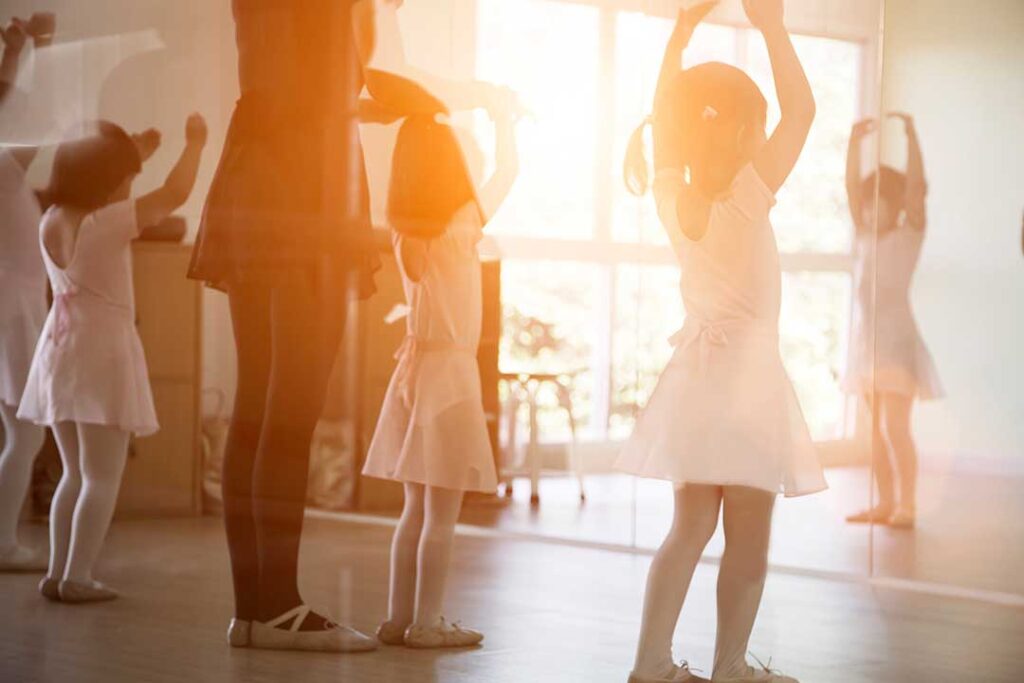
What Should Parents Consider Before Choosing a Dance Class?
The right dance class sets the stage for a positive experience, but each child’s needs and interests differ. Families in Quincy, IL typically want classes that fit their schedules, support their child’s development, and are accessible within the city.
Before enrolling, consider:
- Your child’s age, temperament, and prior experience
- The level of structure or creative freedom desired
- Commute time from your home, as Quincy’s variable weather and spread-out neighborhoods may affect transport
- What you hope your child will gain—confidence, fitness, fun, socialization, or skills
Which Styles of Dance Are Commonly Offered in Quincy?
Most dance studios in the city offer a mix of traditional and modern styles, accommodating different ages and skill levels. The most common are ballet, tap, jazz, hip hop, contemporary, and tumbling or creative movement for young children.
- Ballet: Builds foundational skills, alignment, and discipline.
- Tap: Focuses on rhythm, musicality, and coordination. Popular with younger children.
- Jazz & Hip Hop: Energetic, expressive, and good for kids who like fast-paced routines and current music.
- Contemporary/Modern: Suits older or experienced children interested in creativity and storytelling through movement.
- Creative Movement: Introductory classes for toddlers and preschoolers, emphasizing play and basic movement skills.
Depending on interest and age, availability may vary, especially in smaller neighborhoods or during off-peak seasons.
How Can Parents Tell If a Dance Class Is the Right Fit?
A dance class feels right when a child is comfortable, challenged, and engaged. It’s helpful to attend observation days or trial classes, when available, to see firsthand:
- How instructors interact with children
- Classroom size and noise levels
- Whether routines are age-appropriate
- If the atmosphere feels supportive and encouraging
Pay attention to how your child reacts after class—enthusiasm to return is often a clear signal of a good fit.
Are Dance Classes in the City Structured by Age or Skill?
Most group dance programs in Quincy use age as the primary organizing factor, especially for younger children. Beginner classes often group kids in ranges such as 3-5, 6-8, and 9-12. For teens or advancing dancers, skill level or years of experience may be used instead.
Transitioning between age and skill-based classes is common as children grow. If your child has prior dance or athletic background, inquire about class placement to ensure they’re neither bored nor overwhelmed.
What Local Factors Matter for Dance Class Logistics?
Seasonal weather is a major consideration for families in Quincy, especially when commuting in winter. Confirm class schedules fit around school and family life, and allow extra time on icy or snowy days. Quincy’s less dense neighborhoods mean some classes may require a longer drive; think about realistic travel time for busy afternoons.
Consider:
- Parking, especially if siblings or other children attend with you
- Nearby playgrounds or waiting areas if family members need to occupy themselves during class
- Ease of building access during rain, snow, or extreme heat
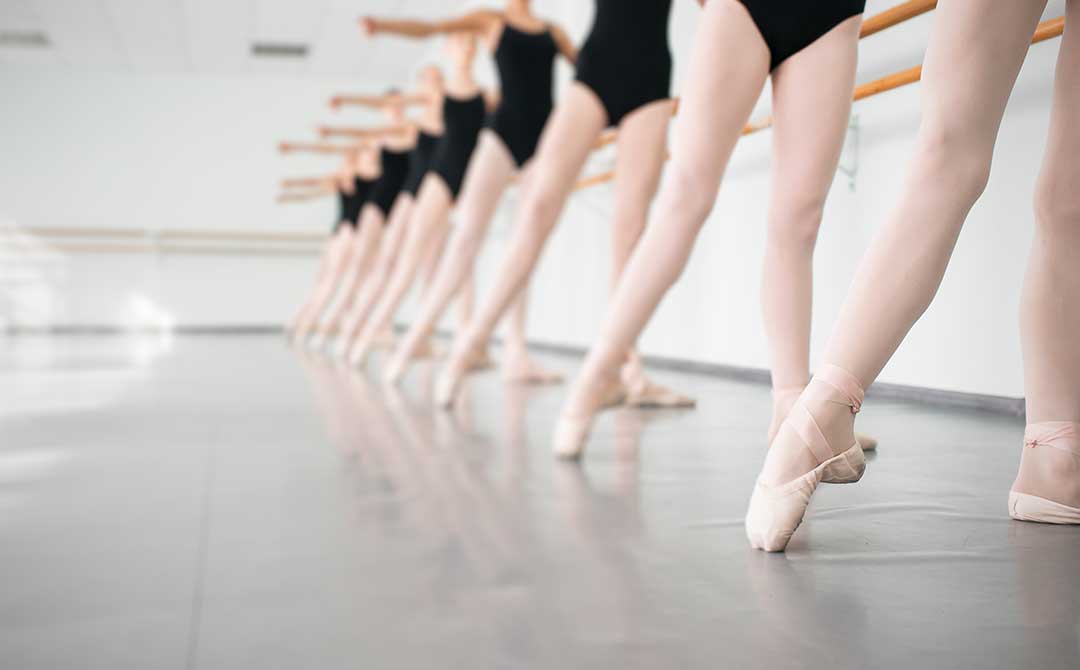
What Should Parents Ask During Enrollment?
To make confident decisions, parents often want more details than just the start date and price. Ask:
- How does the studio handle missed classes or illness?
- What is the policy on class observation for parents?
- Are there end-of-year recitals or performances, and are costs involved?
- What is the dress code, and do children need specific dancewear or shoes?
- Are instructors experienced with children of your child’s age and learning needs?
Clear answers help prevent surprises down the line and ensure a smooth year.
How Can You Support Your Child’s Dance Experience?
Children benefit when parents show interest, but avoid pressure or unrealistic expectations. In Quincy’s family-oriented community, encouragement often makes a bigger impact than pushing for competition or rapid advancement. Let children set the pace, and check in regularly about how they feel.
Watch for signs like:
- Ongoing excitement about class day
- Improvement in confidence, balance, or social skills
- Willingness to practice movements at home (even informally)
If frustration or reluctance develops, talk openly with instructors. Sometimes a different style, instructor, or peer group is all that’s needed for a renewed positive experience.
What Are Common Myths About Children’s Dance Classes?
Parents sometimes assume dance is only for certain ages, body types, or personalities. In fact, reputable classes welcome children of all backgrounds and experience levels. Some misconceptions include:
- “Ballet is only for girls”—in reality, boys thrive in all dance forms.
- “Older beginners can’t catch up”—many children start later and find success.
- “Competitive dance is the only goal”—lots of families choose non-competitive, recreational tracks focused on community and enjoyment.
Awareness of these myths helps area households find the most suitable, enjoyable class for their children—where personal growth matters more than trophies.