

 See My Latest Article on HelloNation
How Does Dance Affect Mental Health?
Dance supports mental health by providing a positive outlet for stress relief, self-expression, and social connection. Engaging in dance, whether through structured classes or informal gatherings, encourages movement, focus, and enjoyment, which can all contribute to an improved sense of well-being.
Dancing activates the brain and body together, offering a break from daily worries while providing both physical exercise and the creative satisfaction of learning new skills. By focusing on rhythm and movement, individuals are given a healthy way to process emotions and recharge mentally.
In What Ways Can Dance Relieve Stress for Local Residents?
Dance is an effective method for stress relief by redirecting focus from daily pressures toward enjoyable activity. This effect is especially appreciated during challenging seasons in Quincy, such as gloomy winter months or periods with fewer outdoor recreation options.
Moving to music, even in a living room or community space, naturally lowers the body's stress hormones. The act of following choreography or simply improvising offers:
- A sense of accomplishment when learning something new
- Physical exertion that can reduce mental tension
- An emotional release as individuals move through various moods and musical styles
For local households, dance can be a practical way to unwind after work or school, and is accessible to all ages and abilities.
Does Dancing Help Combat Feelings of Isolation?
Yes, dancing can significantly reduce feelings of isolation by fostering social bonds and regular face-to-face interaction. Group dance settings—whether classes, performances, or informal meetups—provide an opportunity to connect with peers and neighbors.
Quincy’s community-oriented lifestyle often values shared activities. Residents who participate in group movement find that they:
- Meet new people with similar interests
- Practice cooperation and teamwork
- Build a sense of belonging
During the colder seasons, when outdoor gathering is limited, dance provides an excellent reason for residents to stay connected indoors.
Can Dance Boost Confidence and Self-Esteem?
Dance frequently builds confidence by challenging individuals to try new things and take pride in their progress. Mastering a new step or performing for an audience, even in a small community setting, can be rewarding and empowering.
People often find that overcoming hesitation—such as worries about ability or fear of judgment—translates to increased confidence in everyday life. For youth, this can mean positive growth outside of academics or athletics. For adults, showing up to regular dance sessions can confirm their ability to commit to self-care and personal improvement.
How Does Movement Influence Mood and Energy?
Physical activity, including dance, promotes the release of endorphins—chemicals in the brain known to improve mood and increase energy. Dancing also involves music and rhythm, which have their own uplifting effects.
For those navigating the often-variable Midwest climate—where cold, gray days can dampen motivation—dance is an indoor alternative that keeps spirits up. The act of getting up and moving, even briefly, can shift perspective and inspire a more optimistic outlook on the week ahead.
What Types of Dance Are Most Beneficial for Mental Wellness?
Any style of dance can support well-being, as the benefits are tied less to specific movements and more to the joy and focus the activity provides. Local participants often enjoy:
- Social dances like swing, ballroom, or line dancing, which involve teamwork and encourage interaction
- Creative styles like contemporary or jazz, which encourage self-expression and emotional release
- Movement-based forms like ballet or modern, which build strength, balance, and mindfulness through repeated practice
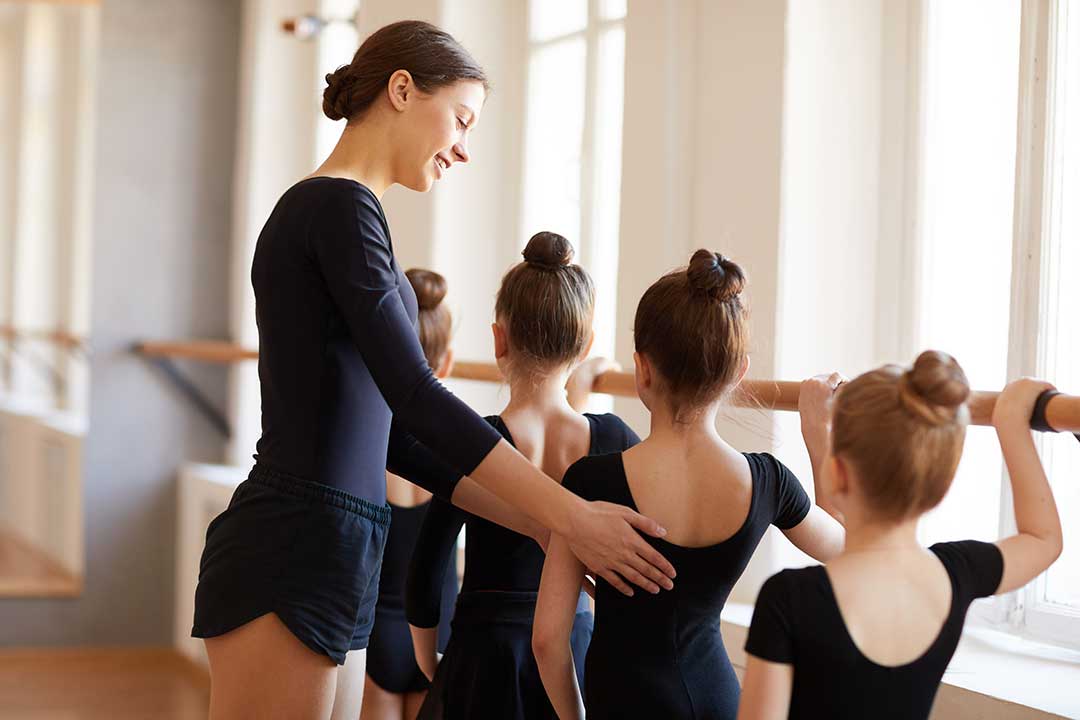
Area residents can choose classes or programs that fit their interests and needs, whether for group camaraderie or individual growth.
Are There Special Benefits for Children and Teens?
Dance supports the mental health of young people by encouraging healthy socialization, discipline, and self-expression. School-aged children in the city enjoy an active outlet in an environment that promotes respectful communication and teamwork.
Participating in dance can be especially helpful for youth during times of transition or social stress:
- Builds resilience when facing new or difficult situations
- Supports emotional regulation by giving them tools to express happiness, frustration, or nervousness creatively
- Contributes positively to self-image through movement, achievement, and positive feedback from peers and instructors
What Are Some Common Misconceptions About Dance and Mental Health?
A frequent misconception is that dance is only physically demanding or suitable for a specific type of person. In reality, the mental benefits are available to anyone, regardless of background, age, or experience level.
People sometimes believe that only group performances count or that extensive training is necessary. In fact, solo dancing at home or simple group activities can be equally valuable. The main factor is consistent, enjoyable engagement with the music and movement.
How Can Local Residents Safely Make Dance Part of Their Routine?
Dance can be safely included in daily life by starting at a comfortable pace and choosing styles suited to each individual’s fitness level. Home practice with online resources, community classes, or family dance nights indoors are all accessible options.
Residents should wear comfortable clothing, use supportive footwear or dance barefoot as appropriate for the floor surface, and listen to their bodies to avoid strain. Incorporating short dance breaks into routine activities can help make movement a habit, especially during colder months or rainy periods when outdoor exercise is limited.