

 See My Latest Article on HelloNation
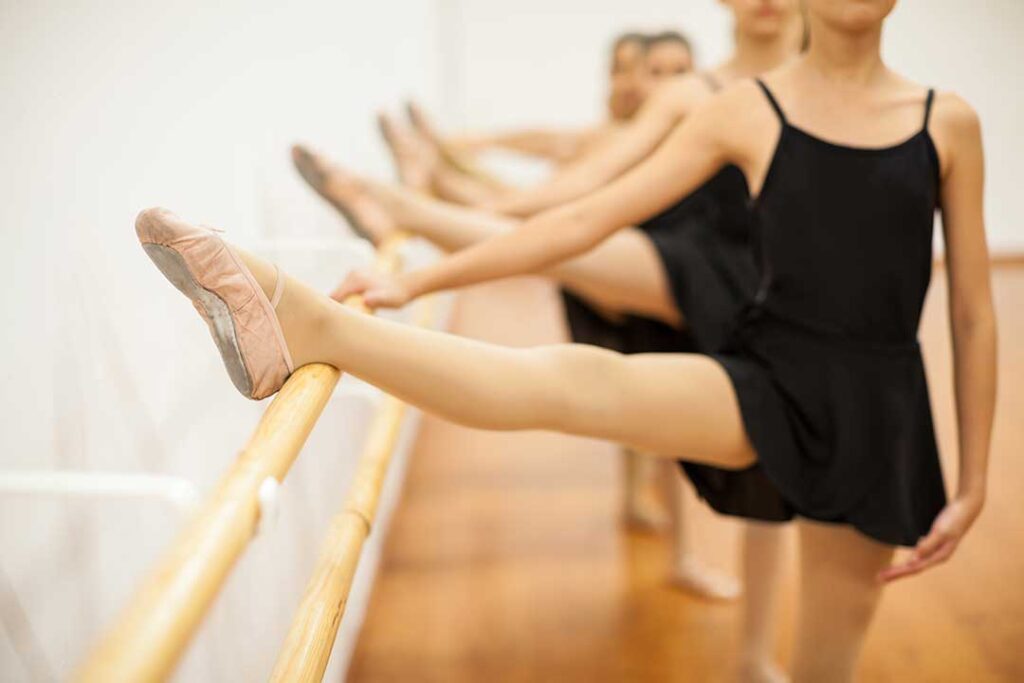
How can dance build confidence?
Dance can strengthen confidence by giving people repeated opportunities to practice, make decisions, handle mistakes, and recognize progress. Confidence usually develops gradually through participation rather than appearing all at once.
A dance class creates a structured setting where people can work toward clear goals. Learning a step, remembering a sequence, or performing in front of others provides evidence that effort can lead to improvement. That experience often carries into school, work, social situations, and daily responsibilities.
Confidence through dance does not require advanced talent. Beginners can benefit because the process focuses on learning, persistence, and self-awareness rather than comparison.
What happens to confidence during a dance class?
A typical class includes several experiences that support self-belief:
- Trying something unfamiliar: New movements require attention and patience. Successfully attempting them can make future challenges feel more manageable.
- Practicing in small steps: Dancers often learn a movement slowly before combining it with music. This breaks a difficult task into achievable parts.
- Receiving feedback: Clear, respectful corrections help participants understand that feedback is information, not a judgment of personal worth.
- Repeating skills: Repetition turns uncertainty into familiarity. A movement that feels awkward at first may become comfortable after several practices.
- Being seen: Moving in front of others teaches people to tolerate attention without assuming that every mistake will be noticed or criticized.
These experiences are especially useful for children and teenagers, but adults can benefit in similar ways. Confidence is a skill that can continue developing at any age.
Does someone need natural rhythm or talent?
No. Natural rhythm may make certain movements feel easier at first, but dance ability is also shaped by practice, coordination, memory, strength, and comfort with movement.
A common misconception is that confident dancers never make mistakes. In reality, experienced dancers still forget steps, lose timing, or need several attempts to learn a sequence. Their confidence often comes from knowing how to recover.
Useful recovery habits include:
- Rejoining the rhythm at the next clear count
- Watching the instructor or group for the next movement
- Continuing with a simplified version of the step
- Taking a breath instead of stopping completely
- Treating the mistake as part of practice
This approach changes the question from “Did I do everything perfectly?” to “Can I continue learning after something goes wrong?”
How can parents support confidence in young dancers?
Parents can help by focusing on effort, preparation, and personal growth instead of appearance or competition. Comments such as “You stayed with that difficult section” or “You remembered more of the sequence this week” identify specific behaviors that children can control.
Helpful support includes:
- Allowing the child time to adjust to a new class
- Avoiding comparisons with siblings, classmates, or advanced dancers
- Asking what felt enjoyable or challenging
- Encouraging regular practice without turning it into pressure
- Respecting the child’s need for rest
- Praising persistence after mistakes
Children may show confidence differently. One child may volunteer for a solo, while another may quietly participate more fully than before. Both can represent meaningful progress.
A supportive environment also makes room for changing interests. A child may enjoy group movement but dislike performing, or prefer creative improvisation to memorized choreography. Confidence is more likely to grow when participation feels challenging but emotionally safe.
Can dance help adults who feel self-conscious?
Yes. Adults often worry that they are too old, too uncoordinated, or too inexperienced to begin. Those concerns are common, but they do not prevent improvement.
A beginner-friendly approach is to choose a pace that allows concentration without excessive pressure. Adults may benefit from:
- Starting with basic movement patterns
- Practicing for short periods several times a week
- Learning one section before adding another
- Wearing clothing that allows comfortable movement
- Tracking personal progress rather than comparing ability
- Choosing social or recreational formats if performance feels intimidating
Dance can also provide a break from routine. For residents of Quincy, IL, seasonal changes, work schedules, school responsibilities, and time spent indoors during colder weather may make regular movement more difficult. A consistent dance practice can offer physical activity while also creating a planned opportunity for focus and social connection.
How does performing affect self-confidence?
Performing can increase confidence, but only when the experience is introduced thoughtfully. A performance asks dancers to manage several challenges at once: remembering movement, responding to music, handling an audience, and continuing despite nervousness.
Preparation is more useful than simply being told to “not be nervous.” Dancers can prepare by:
- Practicing entrances, exits, and transitions
- Rehearsing in the clothing and footwear appropriate for the event
- Visualizing the first few movements
- Taking slow breaths before beginning
- Identifying a recovery plan for forgotten steps
- Focusing on the next movement rather than the entire routine
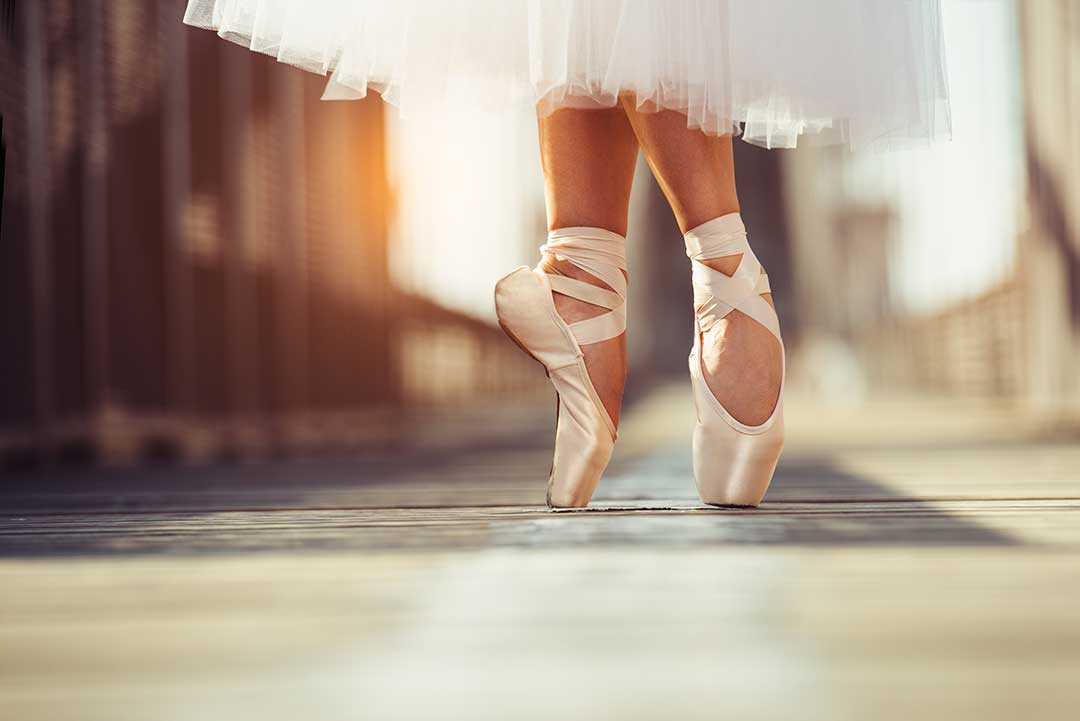
Nervousness does not mean a dancer lacks confidence. It often means the event matters. Learning to perform while nervous can teach an important distinction: confidence is not the absence of uncertainty; it is the ability to act while uncertainty is present.
What if dance increases comparison or anxiety?
Dance should support confidence, not consistently undermine it. Comparison can become unhelpful when participants believe that only the most flexible, coordinated, or experienced people deserve recognition.
Warning signs include persistent fear of mistakes, frequent negative comments about appearance, reluctance to participate, or physical symptoms of anxiety before every class. These concerns deserve attention rather than dismissal.
A healthier learning environment emphasizes:
- Skill development over body type
- Multiple forms of progress
- Respectful instruction
- Appropriate challenge levels
- Personal boundaries
- Cooperation alongside individual achievement
People also need permission to modify movements when they experience pain, fatigue, or physical limitations. Dance should challenge the body without requiring participants to ignore discomfort or compete beyond their current ability.
How can confidence from dance carry into daily life?
The transfer happens when dancers notice the skills they are practicing. Dance can develop more than movement technique; it can reinforce habits that are useful elsewhere.
For example:
- Memorizing choreography can strengthen concentration and sequencing.
- Practicing timing can improve patience and attention.
- Performing can make public speaking or presentations feel less unfamiliar.
- Partner or group work can build communication and cooperation.
- Recovering from mistakes can reduce all-or-nothing thinking.
- Setting gradual goals can make larger tasks feel more manageable.
A person does not need to perform publicly for these benefits to matter. Showing up consistently, learning something difficult, and remaining engaged during setbacks are confidence-building actions in themselves.
How long does it take to feel more confident?
There is no fixed timeline. Some people feel more comfortable after a few classes, while others need several months before they notice a significant change. Progress may appear in small ways first: standing more openly, participating without constant reassurance, remembering combinations more easily, or feeling less worried about being watched.
A practical way to measure progress is to compare current behavior with earlier behavior. Questions such as these can help:
- Am I willing to try a movement I once avoided?
- Do I recover more quickly after a mistake?
- Can I accept correction without assuming I failed?
- Do I feel more comfortable practicing around others?
- Have I become more patient with my learning process?
These measures reflect durable confidence more accurately than applause, appearance, or technical level alone.
What makes dance a healthy confidence-building activity?
Dance supports confidence best when it combines challenge with encouragement. Participants need opportunities to stretch their abilities, but they also need clear instruction, reasonable expectations, physical safety, and room to learn at different speeds.
The most lasting confidence often comes from a simple pattern: attempt, practice, adjust, and try again. That pattern can begin with a first step, a basic rhythm, or a short sequence and gradually become a broader belief that difficult things can be learned.