

 See My Latest Article on HelloNation
Dancing is more than physical exercise. It combines movement, music, memory, balance, attention, and social interaction in a single activity. That combination gives the brain repeated opportunities to build and use several skills at once.
For residents of Quincy, IL, dancing can be a practical form of exercise during every season. It can take place in a studio, community room, home, or another safe indoor space when winter weather, heat, or rain makes outdoor activity less appealing.
Why does dancing challenge the brain?
Dancing requires the brain to coordinate several types of information at the same time. A person may need to listen for a beat, remember a sequence, shift weight, control posture, watch other dancers, and adjust movement within a limited amount of space.
This is different from repeating a single exercise with the same motion. Dance continually asks the brain to make decisions, even during a familiar routine.
Important mental processes involved in dance include:
- Attention: Focusing on music, instructions, timing, and surroundings
- Working memory: Holding a movement pattern in mind while performing it
- Motor planning: Deciding how the body should move before and during an action
- Spatial awareness: Understanding direction, distance, position, and orientation
- Cognitive flexibility: Changing steps, speed, or direction when the routine changes
- Inhibitory control: Stopping one movement and beginning another at the right moment
This combination is one reason dance is often described as “cognitively complex” exercise.
Can dancing improve memory?
Regular dancing may support memory because it combines learning with physical activity. Remembering a dance sequence involves more than memorizing words. The brain connects the order of steps with rhythm, body position, visual cues, and timing.
A routine might require a dancer to remember:
- Which foot moves first
- How many counts occur before a change
- Whether the next action is a turn, step, pause, or gesture
- Where the body should face
- How the movement connects to the previous step
These links create multiple memory cues. If one cue is forgotten, rhythm, repetition, or visual demonstration may help bring the sequence back.
Dance does not guarantee protection from memory disorders, and it should not be viewed as a treatment for dementia. However, learning new movement patterns provides regular mental practice. For older adults, that practice may be especially useful when paired with safe exercise, adequate sleep, medical care, and social connection.
How does dance affect mood and stress?
Physical activity can influence mood by changing brain chemistry and reducing physical tension. Dancing also adds music and self-expression, which may make movement feel more engaging than a repetitive workout.
During dance, the body may release chemicals associated with pleasure and reduced stress. Rhythmic movement can also provide a predictable structure: the beat offers an external guide for breathing, timing, and focus.
Social dancing may provide additional emotional benefits. Practicing with other people can reduce isolation, encourage conversation, and create a sense of shared accomplishment. That social element can matter in a community where seasonal weather or transportation limitations sometimes reduce opportunities for regular interaction.
Dance is not a substitute for mental-health treatment. Persistent sadness, anxiety, confusion, or major changes in behavior should be discussed with a qualified healthcare provider. Still, dancing can be one supportive part of a broader routine for emotional well-being.
Why are rhythm and music so useful?
The brain is highly responsive to rhythm. A steady beat can help organize movement, particularly when a person is learning how to start, stop, or maintain a sequence.
Music may support dance in several ways:
1. Timing: A beat helps the body predict when movement should occur.
2. Anticipation: Repeated musical patterns allow the brain to prepare for the next action.
3. Recall: A familiar song can make a movement sequence easier to remember.
4. Motivation: Enjoyable music may make it easier to continue exercising.
5. Coordination: Rhythm links sound with movement, strengthening the connection between hearing and motor control.
This connection is relevant to many dance forms, from structured lessons to informal movement at home. The most useful music is not necessarily fast or complicated. A comfortable tempo that allows controlled movement may be more appropriate, especially for beginners or people with balance concerns.
Does dancing help balance and coordination?
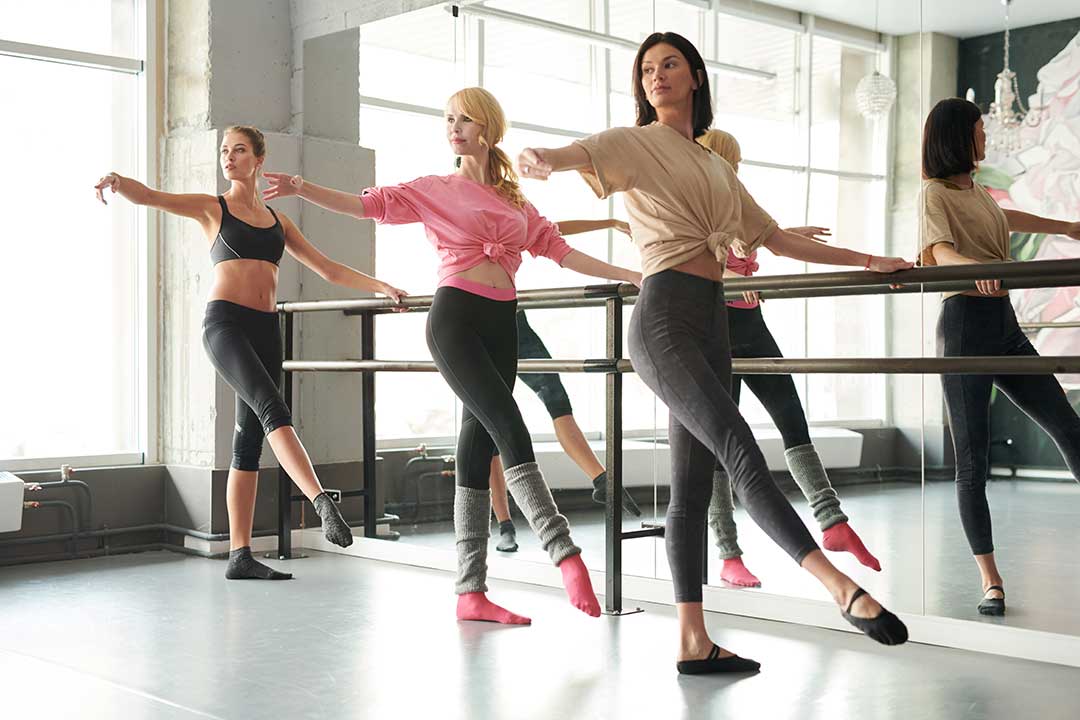
Yes. Dance regularly challenges balance by requiring weight shifts, changes in direction, controlled turns, and movement from one position to another. These tasks train the body and brain to communicate efficiently.
Balance depends on several systems working together:
- Vision, which helps identify the environment
- The inner ear, which contributes to orientation
- Muscles and joints, which provide information about body position
- The brain, which combines those signals and selects a response
Dance can strengthen coordination between these systems. It may also improve awareness of how the feet, knees, hips, torso, and arms work together.
Improvement is not automatic, and difficulty should increase gradually. People who are unsteady may begin with supported movements, smaller steps, slower music, and clear floor space. Shoes should fit securely, and loose rugs, cords, and clutter should be removed from practice areas.
Is dancing useful for children and teenagers?
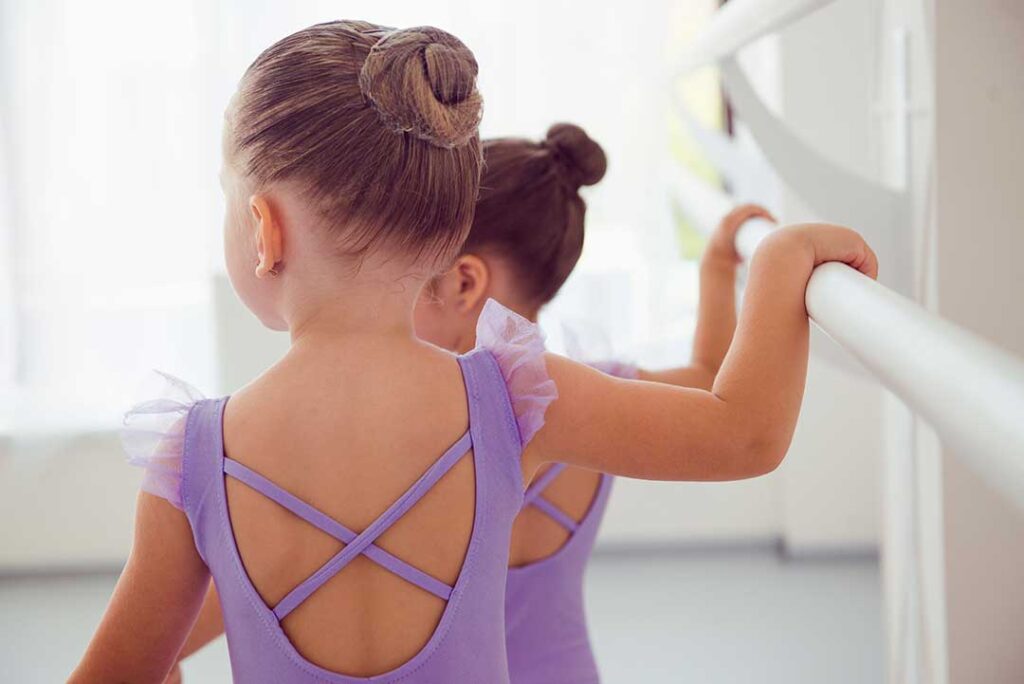
Dance can support developing brains by combining physical skill with sequencing, listening, creativity, and self-control. Children may learn to follow instructions, wait for a cue, remember patterns, and adjust their movements in relation to others.
It can also give young people a structured way to explore expression without requiring every activity to be competitive. Different abilities can be accommodated by changing speed, range of motion, complexity, or the amount of repetition.
For families, dance may be particularly practical during colder months or periods of extreme heat, when outdoor play is less convenient. Short, consistent sessions can still provide cognitive and physical value.
How often should someone dance for brain benefits?
There is no single required schedule. A realistic routine is more useful than an ambitious plan that quickly becomes difficult to maintain.
A person might begin with:
- Ten to fifteen minutes of gentle movement several times a week
- One or two simple patterns practiced repeatedly
- A gradual increase in duration or complexity
- A brief warm-up and slower movement at the end
Adults with health conditions, recent injuries, significant dizziness, or serious balance limitations should choose activities appropriate to their abilities and seek medical guidance when necessary. The goal is controlled, enjoyable movement rather than pushing through pain or exhaustion.
What is the most important misconception about dance and the brain?
Dancing does not need to look polished to be mentally useful. The brain benefits from paying attention, learning, adapting, and coordinating movement. A person can receive those challenges through slow steps, seated movement, beginner patterns, or improvised motion.
The value comes from active participation. Simply hearing music may affect mood, but learning how to move with it adds planning, memory, balance, and decision-making. That makes dance a distinctive form of exercise: it trains the body while asking the brain to stay engaged.