

 See My Latest Article on HelloNation
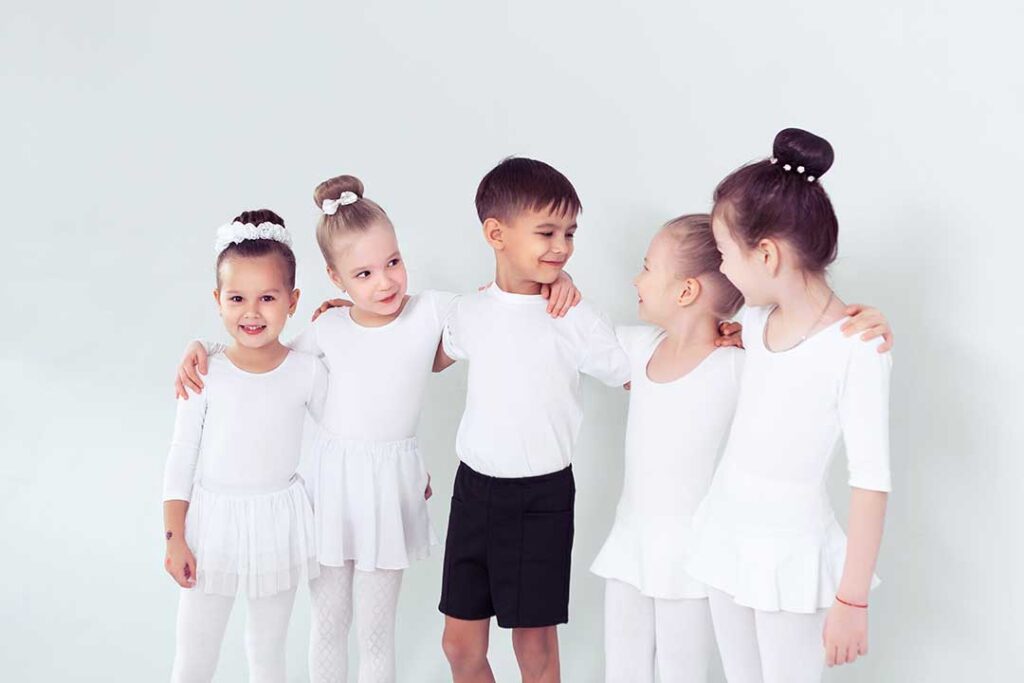
Dance can provide children with exercise, creative expression, friendships, and a sense of accomplishment. For parents in Quincy, IL, the most helpful support usually comes from consistent encouragement, realistic expectations, and attention to a child’s physical and emotional well-being.
A child’s dance experience should develop confidence and skills without becoming a source of unnecessary pressure. Families can help by focusing on steady participation, healthy habits, and the reasons the child enjoys dancing in the first place.
How can parents support a child who is new to dance?
New dancers benefit from preparation, patience, and reassurance. A child may feel excited one day and nervous the next, especially when entering a room where other students appear more experienced.
Before the first class, explain that learning takes time and that mistakes are expected. Avoid presenting dance as a test the child must pass. Instead, describe the class as an opportunity to learn movement, listen to instructions, and try something unfamiliar.
Helpful preparations include:
- Choosing comfortable clothing that allows free movement
- Labeling shoes, clothing, and personal items
- Allowing enough time to arrive without rushing
- Making sure the child has eaten an appropriate meal or snack beforehand
- Explaining what may happen during the first class, including waiting, warmups, practice, and cleanup
Some children need several classes before they feel comfortable participating fully. Quiet observation, limited talking, or reluctance to perform does not always mean a child dislikes dance. Parents can ask open questions afterward, such as, “What part felt easiest?” or “Was anything confusing?”
What should parents consider when choosing a dance class?
The right class depends on the child’s age, interests, readiness, physical abilities, and schedule. A class that looks appealing to an adult may not be a good fit for the child.
Parents may want to ask about:
- The expected age and skill range
- Class length and frequency
- Whether students are grouped by age, experience, or both
- The types of footwear and clothing required
- How instructors handle corrections and behavior
- Whether performances, competitions, or additional practices are expected
- Policies for missed classes, weather-related closures, and schedule changes
- How families are informed about injuries, concerns, or changes in instruction
A beginner does not need to start with the most demanding option. Children often make better progress when the class provides an appropriate level of challenge without making them feel behind.
Families with busy school, sports, or household schedules should also consider travel time and seasonal conditions. In Quincy, winter weather, spring storms, and changing road conditions can affect arrival times and attendance. A manageable schedule is more sustainable than one that creates frequent stress.
How much should parents focus on performance?
Performance can be a meaningful part of dance, but it should not become the only measure of success. A child may gain a great deal from improved balance, musicality, coordination, concentration, and cooperation even without receiving a featured role.
After a recital or class demonstration, ask about the child’s experience rather than immediately judging the result. Questions such as these encourage reflection:
- What did you enjoy practicing?
- What felt different from rehearsal?
- What would you like to work on next?
- Were you proud of anything you did?
Comments focused only on appearance, weight, flexibility, or ranking can affect a child’s body image and motivation. More useful praise recognizes effort, preparation, courage, focus, and kindness toward other dancers.
It is also reasonable for a child’s interests to change. A student may enjoy recreational classes for several years, decide to try a different style, or take a break. A change in direction is not automatically a failure.
What are healthy expectations for practice at home?
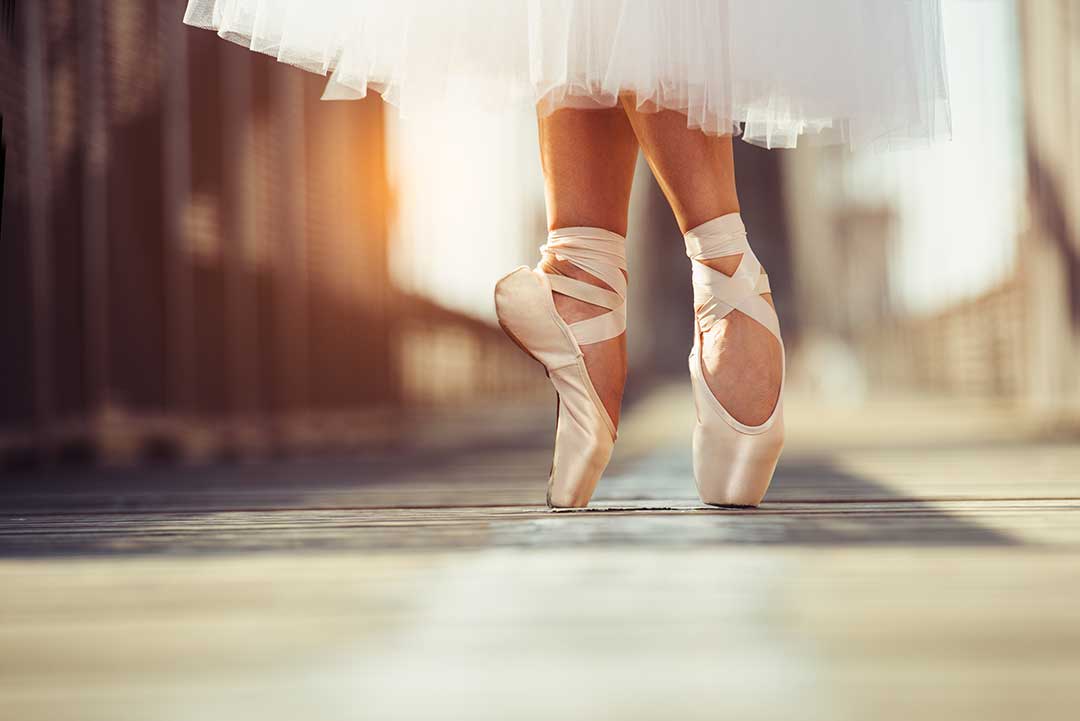
Home practice should reinforce learning without turning the household into a second classroom. Young dancers generally benefit more from short, focused practice than from long sessions filled with frustration.
If an instructor provides specific exercises, parents can help the child remember them and create a safe space to practice. Clear floor space, suitable footwear, and supervision may be needed, particularly for turns, jumps, or movements that require balance.
Parents should avoid teaching advanced techniques from online videos unless those movements are already appropriate for the child’s level. A child may imitate a movement without understanding alignment, landing mechanics, or safe progression.
Practice may include more than repeating choreography. Listening to music, reviewing terminology, stretching gently as instructed, and discussing timing can also support learning. Rest remains part of training, especially when children participate in more than one physical activity.
How can parents recognize possible overtraining or injury?
Pain should not be treated as proof of dedication. Muscle tiredness after new activity can be normal, but persistent pain, swelling, limping, repeated soreness, or a noticeable change in movement deserves attention.
Parents should also watch for signs such as:
- Avoiding class because of pain or fear
- Fatigue that affects school, sleep, or mood
- Repeated complaints involving the same joint or body area
- Loss of enthusiasm combined with physical discomfort
- Difficulty walking normally after practice
Children may minimize symptoms because they do not want to miss class. Calmly explain that reporting pain helps adults make safe decisions and does not mean the child is weak.
For a significant injury, breathing problem, head impact, or severe or worsening pain, medical evaluation may be necessary. Dance participation should resume gradually and according to appropriate guidance rather than based only on a child’s desire to return.
How should parents respond to corrections or setbacks?
Dance instruction often involves repeated corrections. A correction is not necessarily criticism; it is information intended to help the student improve. Parents can normalize this by explaining that even experienced dancers continue receiving feedback.
If a child becomes discouraged, help separate the skill from the child’s identity. “That step is difficult right now” is more constructive than “You are not good at dance.” Improvement may be uneven, with periods of rapid progress followed by plateaus.
If the child reports feeling embarrassed, ignored, or singled out, listen carefully before offering an explanation. Ask what happened, how often it occurs, and what the child would like to change. Concerns should be discussed respectfully with the appropriate adult, using specific examples rather than assumptions.
How can families keep dance positive over time?
A positive dance experience leaves room for enjoyment, rest, friendships, and interests outside the studio. Parents can support balance by protecting time for schoolwork, sleep, unstructured play, and family activities.
Avoid comparing siblings or classmates. Children develop at different rates, and visible flexibility or performance confidence does not always reflect long-term progress. A student who is learning to participate, stay focused, recover from mistakes, or encourage peers is developing valuable skills.
The most useful question is often simple: “Are you still enjoying this, and what would make it feel better?” Regular conversations allow families to adjust schedules, expectations, and goals before frustration builds.
For many children, dance becomes a lasting source of movement and expression when adults provide support without taking ownership of the experience. The child should remain the person discovering what dance means, how much to pursue it, and which goals feel personally worthwhile.