

 See My Latest Article on HelloNation
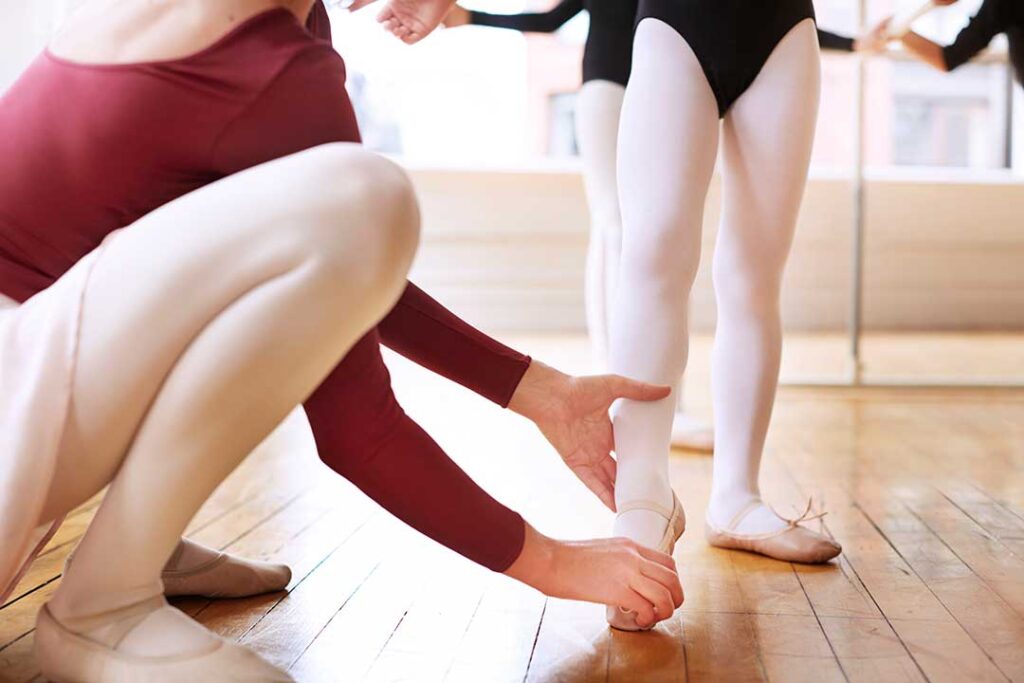
Starting dance practice at home can help beginners build coordination, confidence, flexibility, and body awareness between classes. A useful home routine does not require a large room or expensive equipment. It requires a safe surface, a few clear goals, and consistent practice that matches the dancer’s age and experience.
How much space is needed for beginner dance practice?
Most beginners can practice effectively in an area about the size of a small bedroom or open living room section. The space should allow the dancer to extend both arms, take several steps in every direction, and turn without hitting furniture, walls, pets, or other household objects.
Before beginning, move or secure:
- Coffee tables, loose chairs, floor lamps, and sharp-edged objects
- Small rugs that slide across the floor
- Cords, toys, and other items that could cause a trip
- Low-hanging decorations or ceiling fixtures near jumping areas
Homes in Quincy may have a variety of flooring, including hardwood, vinyl, laminate, and carpet. Each surface affects movement differently. Hardwood and laminate can be slippery, while thick carpet may catch the feet during turns. A clean, level floor with moderate traction is generally more useful than a soft but uneven surface.
Do not practice turns or jumps on concrete, tile, or any surface that makes impact uncomfortable. If the floor feels unsafe in regular socks, it is not a suitable practice surface.
What should a beginner do before dancing?
A beginner should warm up for five to ten minutes before practicing steps, stretches, turns, or jumps. The purpose of a warm-up is to gradually raise body temperature and prepare the joints for movement.
A simple warm-up may include:
- Walking or gently marching in place
- Shoulder rolls and relaxed arm swings
- Slow knee bends
- Controlled ankle circles
- Gentle side steps
- Easy torso rotations without forcing the range of motion
Warm-ups should feel comfortable rather than exhausting. Large, fast movements are not necessary at the beginning. Children should be supervised if they are practicing unfamiliar exercises, especially movements involving balance, jumping, or the floor.
Static stretching, such as holding a deep hamstring stretch, is usually more comfortable after the body is warm. Stretching should create mild tension, not sharp pain or pressure in a joint. Bouncing while stretching can make control more difficult and should be avoided.
How long should beginners practice at home?
Short, consistent practice is usually more productive than an occasional long session. A beginner may start with 10 to 20 minutes, two to four times per week. Young children may benefit from even shorter sessions with clear breaks and varied activities.
A practical session could include:
- Five minutes of warm-up
- Five minutes reviewing one or two basic movements
- Five minutes practicing rhythm, balance, or coordination
- A few minutes of gentle stretching and breathing
Beginners often improve more from repeating one movement carefully than from rushing through a long routine. Practice should stop when the dancer is losing focus, repeatedly landing heavily, or feeling pain.
Fatigue can change posture and coordination. A dancer who is tired may begin locking the knees, collapsing the upper body, or forcing a turn. These are signs to rest rather than push through.
What can beginners practice without a studio?
Many foundational skills can be practiced safely at home without attempting advanced choreography. Beginners can work on posture, rhythm, weight shifts, foot patterns, arm coordination, and balance.
Useful exercises include:
Finding a neutral standing position
Stand with feet comfortably placed, knees relaxed, shoulders down, and the head balanced over the spine. The body should feel tall without becoming stiff. Practice shifting weight from one foot to the other while keeping the upper body controlled.
Practicing rhythm
Clap or tap along with steady music, then add simple steps. Begin with walking in place, side steps, or step-together patterns. The goal is to stay with the beat rather than move quickly.
Repeating basic foot patterns
Choose a short pattern of two to four movements. Practice it slowly, then repeat it facing a different direction. This develops memory and spatial awareness without requiring a complete dance routine.
Improving balance
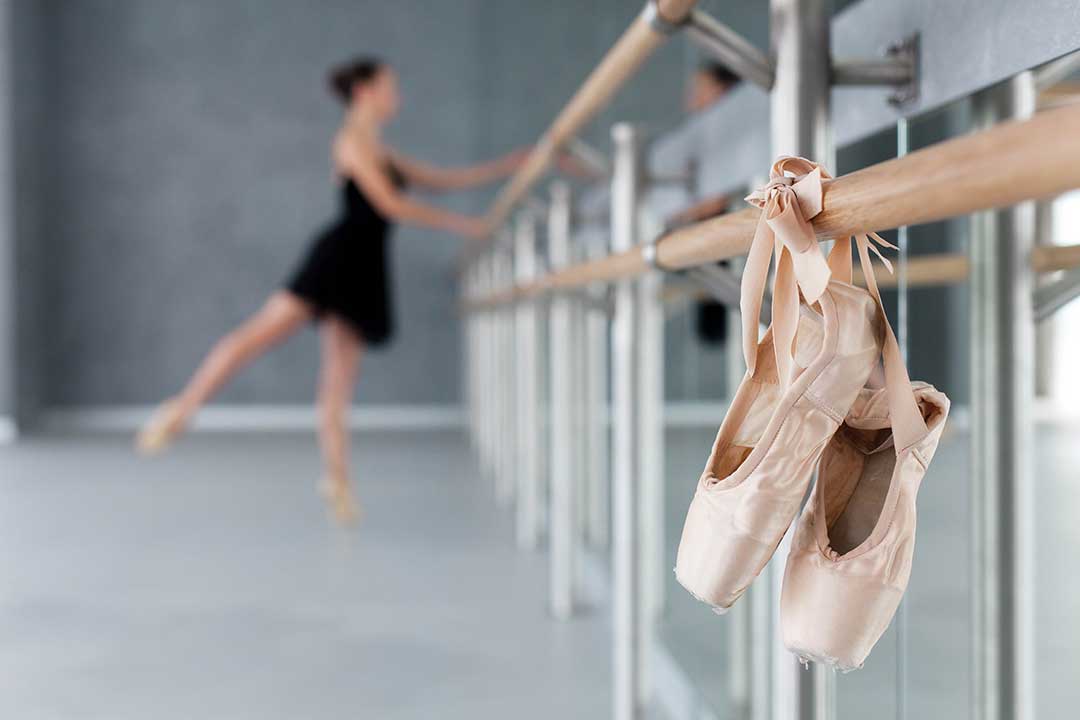
Stand near a sturdy wall or stable piece of furniture, but do not pull on it. Lift one heel, hold a comfortable position briefly, and return both feet to the floor. More advanced balance work can include standing on one leg for a few seconds, provided the surface is clear and the dancer can regain balance safely.
Coordinating arms and legs
Practice a simple step pattern with the arms resting by the sides. Once the feet feel familiar, add one arm movement at a time. Beginners often become confused when trying to learn complex arm and foot patterns simultaneously.
Is it safe to practice dance in socks?
Socks may be appropriate for some floor exercises, but they can be risky on smooth surfaces because the feet may slide unexpectedly. Bare feet can also be unsafe if the floor is rough, cold, or contaminated with small objects.
Footwear should provide comfort, a secure fit, and enough traction for the movement being practiced. Shoes with thick, sticky soles may make turning difficult, while loose shoes can affect balance. Dance practice should never take place in footwear that is worn out, loose, or uncomfortable.
Outdoor shoes should not be used on an indoor practice surface because they can track in gravel, moisture, and debris. During Quincy’s colder or wetter months, checking the floor for moisture becomes especially useful near entrances and high-traffic areas.
How should beginners use music?
Music helps dancers develop timing, but it should support learning rather than make the practice harder. Beginners should choose music with a steady beat and a manageable speed. Faster music can be used later, after the movement feels controlled at a slower tempo.
Starting without music can also be helpful. Count evenly out loud, such as “one, two, three, four,” while practicing the steps. This allows the dancer to focus on direction, posture, and weight changes before adding musical details.
The volume should remain low enough for the dancer to hear instructions, counting, and signs of unsafe movement. If practicing in a shared home or apartment setting, daytime practice and moderate volume are considerate choices.
What common mistakes should beginners avoid?
Several habits can slow progress or increase the chance of injury:
- Practicing on a slippery or cluttered floor
- Skipping the warm-up
- Forcing flexibility before the muscles are ready
- Repeating jumps on a hard surface
- Looking down constantly at the feet
- Trying to copy advanced choreography too quickly
- Holding the breath during difficult movements
- Practicing through sharp pain
- Comparing early progress with someone else’s experience
A mirror can provide useful feedback, but it is not required. Beginners should avoid depending on the mirror so heavily that they stop feeling their balance and alignment. Short video recordings may also help identify posture or timing issues, provided the camera is placed securely and privacy is considered.
How can families keep home practice positive?
A supportive routine works better than pressure. Set a regular time, keep the practice area ready, and choose one small goal for each session. Examples include keeping a steady count, landing quietly, remembering a four-step pattern, or holding a balanced position for a few seconds.
Children may stay engaged longer when practice includes choices, such as selecting between rhythm work and balance exercises. Adults can encourage effort and careful control rather than focusing only on performance.
Pain, dizziness, swelling, repeated loss of balance, or difficulty using a joint normally are reasons to stop. Minor muscle tiredness can be expected, but persistent discomfort should not be treated as a normal part of learning. A safe home routine should leave the dancer feeling more aware and prepared, not exhausted or injured.